

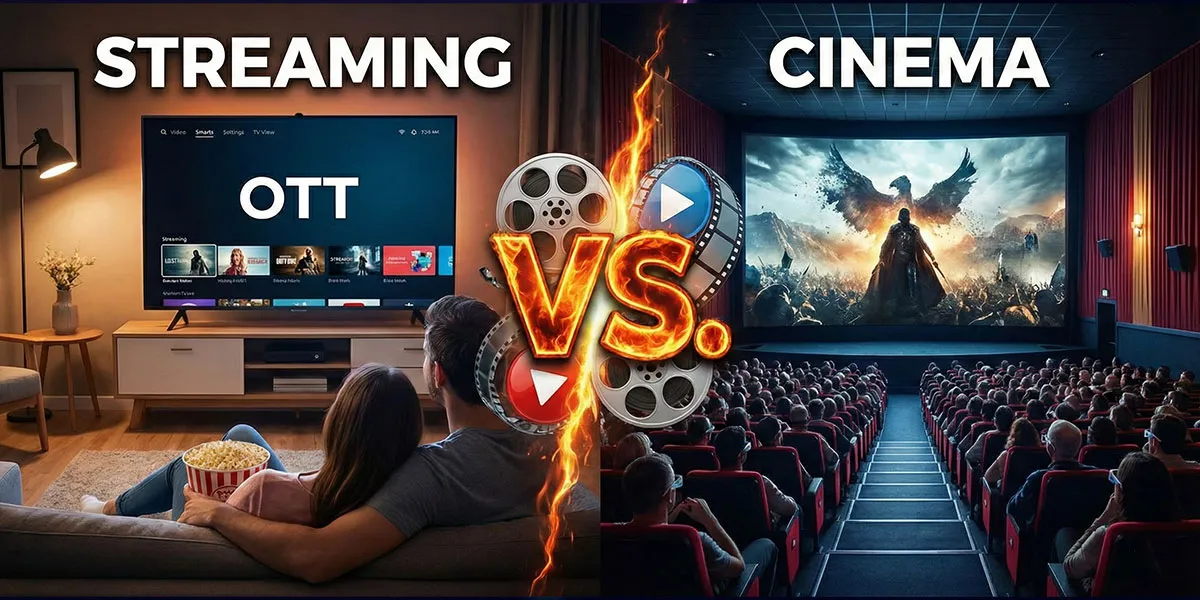
You open Netflix after a long day, ready to binge your favourite series. But then a blockbuster like Oppenheimer drops in theatres, and suddenly, the couch doesn’t feel enough.
So what do you choose: comfort or cinematic thrill? In 2026, this isn’t just a preference; it’s a daily decision shaping how we experience entertainment.
What’s driving the shift in entertainment consumption?
In 2026, audiences are split between OTT platforms and theatres, but convenience is clearly winning. Viewers prefer streaming for flexibility, while theatres still dominate for big-event films. The choice depends on content type, cost, and experience.
What is OTT and how is it changing viewing habits?
OTT (Over-the-Top) platforms like Netflix, Amazon Prime Video, and Disney+ deliver content directly via the internet. No cable. No fixed schedule.
Based on people’s experience, OTT has completely reshaped how you consume content. You no longer wait for weekend plans or fixed show timings. You watch what you want, when you want. This shift isn’t just personal; it reflects a global behavioural change.
According to some industry reports, streaming subscriptions continue to grow, especially in mobile-first markets like India.
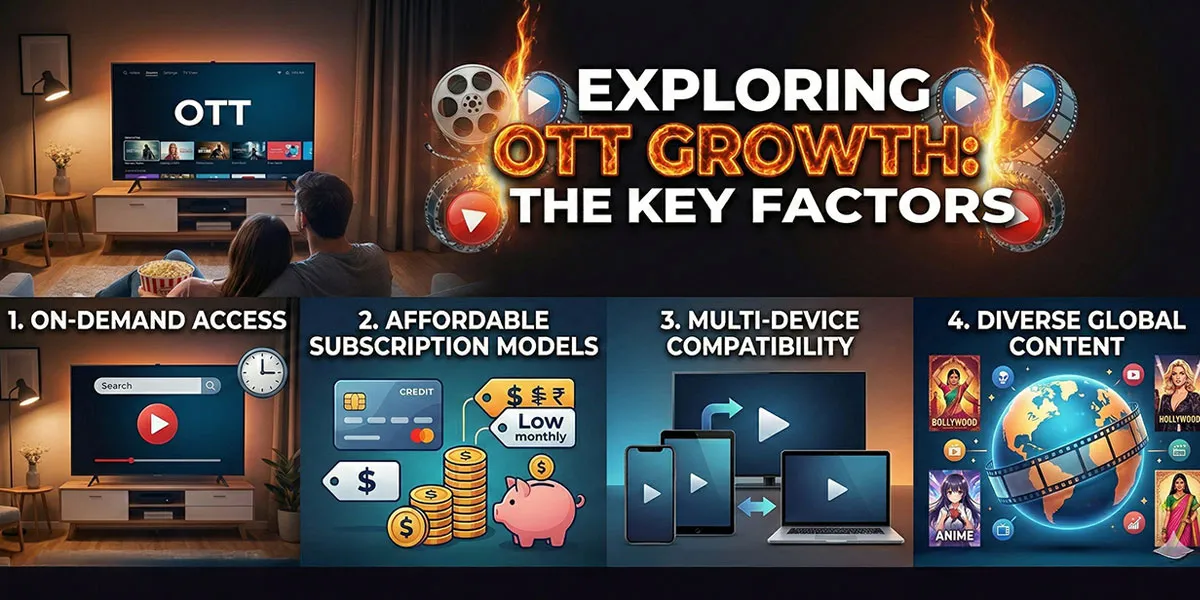
Key reasons for OTT growth:
1. On-demand access
2. Affordable subscription models
3. Multi-device compatibility
4. Diverse global content
Why do theatres still matter in 2026?
Despite OTT growth, theatres are far from irrelevant. In fact, they thrive on spectacle-driven content.
Movies like Avatar: The Way of Water and Oppenheimer proved that audiences still crave immersive big-screen experiences.
You’ve likely noticed that no home setup truly matches the scale of a theatre. The sound, visuals, and crowd reactions come together to create a shared emotional experience that OTT simply cannot replicate.
Why audiences still choose theatres:
1. IMAX and large-format experiences
2. Community viewing and social outings
3. First-day-first-show excitement
4. Exclusive theatrical releases
OTT vs theatres: Which one is more convenient?
Convenience is where OTT clearly wins.
| Factor | OTT Platforms | Theatres |
| Accessibility | Anytime, anywhere | Fixed location & timing |
| Cost | Subscription-based | Per-ticket pricing |
| Content Variety | Global + regional | Limited releases |
| Experience | Personal, flexible | Immersive, social |
For everyday viewing, OTT dominates. For blockbuster experiences, theatres still hold strong.
What do audiences actually prefer in 2026?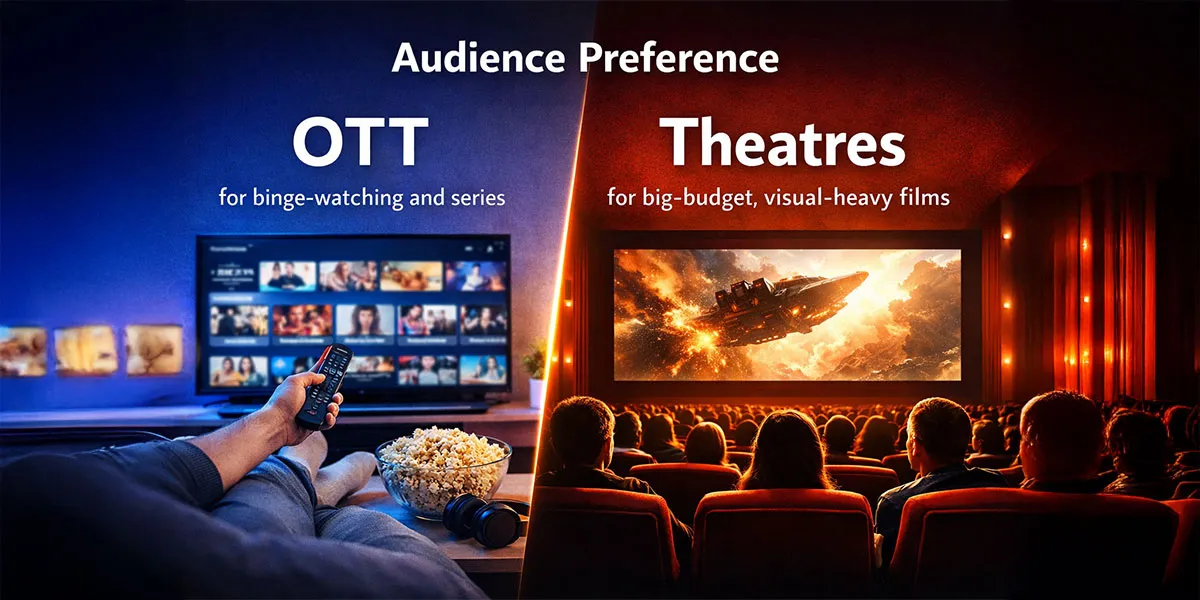
Audience preference is no longer binary. It’s hybrid.
1. OTT for binge-watching and series
2. Theatres for big-budget, visual-heavy films
How are filmmakers and studios adapting?
Studios are no longer choosing one over the other. They are blending both.
1. Hybrid releases (theatre + OTT within weeks)
2. OTT-exclusive films with high production value
3. Shorter theatrical windows
Companies like Warner Bros. and Netflix are experimenting with release strategies to maximise reach and revenue.
For developers and tech professionals, this shift also signals growth in streaming tech, recommendation algorithms, and content delivery networks.
Key takeaways
1. OTT is leading due to convenience and affordability
2. Theatres remain relevant for immersive experiences
3. Audience behaviour is hybrid, not divided
4. Content type determines platform preference
5. The future lies in co-existence, not competition
Final thoughts
In 2026, your viewing habits are no longer defined by a single platform. You switch between OTT and theatres based on mood, content, and convenience. Streaming gives you control, while theatres deliver impact. Both now play distinct roles in your entertainment choices.
The real shift isn’t about one replacing the other; it’s about balance. As content evolves, so will your preferences. Whether it’s a quiet binge night or a big-screen spectacle, you now decide how stories are best experienced.