

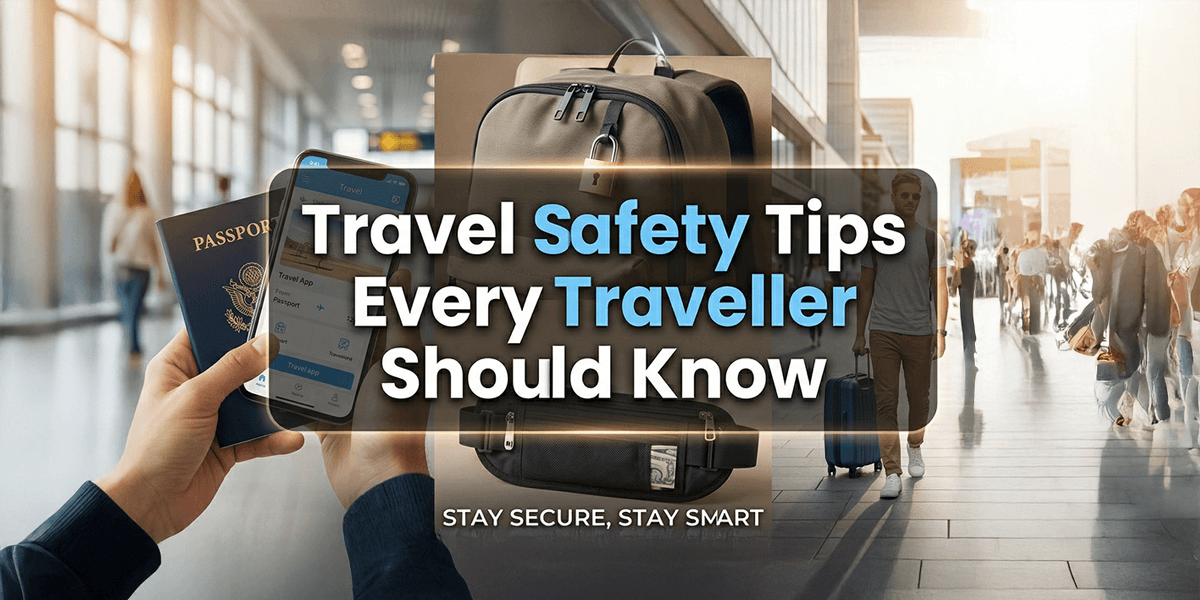
Travel opens the door to new experiences, cultures, and memories. But along with excitement, it also brings certain risks. Whether you are planning a solo trip, a family vacation, or a business journey, staying safe should always be your top priority. Smart planning and awareness can help you avoid unnecessary trouble and help you enjoy your trip with peace of mind.
Plan your trip in advance
Planning your trip properly is the first step to staying safe. Before you travel, take some time to learn about the place. Find out about the local culture, weather, and which areas are safe or not. Also, check for any travel warnings so you know what to expect.
It’s also smart to keep copies of your important documents, like your passport, ID, and tickets. Save them on your phone and carry printed copies too. Keep them in different places so if you lose one, you still have a backup.
Keep your belongings secure
One of the most common travel issues is theft. Pickpocketing can happen in crowded places like markets, public transport, and tourist spots. Use anti-theft bags or backpacks with secure zippers.
Avoid carrying large amounts of cash. Instead, use cards or digital payments whenever possible. Keep your wallet in a front pocket or a hidden pouch. Also, never leave your belongings unattended, even for a short time.
Stay aware of your surroundings
Staying alert is one of the easiest ways to stay safe while travelling. Always be aware of what is happening around you and notice the people nearby. If something does not feel right, trust your gut and move to a safer place quickly.
Try not to use your phone too much while walking in new or unknown areas. It can distract you and make you an easy target. Stay attentive, especially at night or in places where there are fewer people around.
Choose safe accommodation
Your accommodation plays a major role in your overall safety. Always book hotels or stays with good reviews and ratings. Look for places located in safe and well-connected areas.
Check basic security features such as door locks, CCTV cameras, and reception services. Once you check in, keep your room locked at all times. Use the hotel safe for valuables if available.
Be cautious with public Wi-Fi
Free Wi-Fi is convenient but can also be risky. Public networks are often unsecured, which makes it easier for hackers to access your data. Avoid logging into sensitive accounts like banking or work emails on public Wi-Fi.
If you need to use it, consider using a VPN for added security. Also, log out of accounts after use and avoid saving passwords on shared networks.
Share your itinerary
It is always a good idea to let someone know about your travel plans. Share your itinerary, accommodation details, and contact numbers with a trusted friend or family member.
Stay in touch regularly, especially if you are travelling alone. This ensures that someone is aware of your location and can help if needed.
Be careful with food and water
Trying local food is one of the most enjoyable parts of travelling, but you should still be careful. Always choose clean and trusted places to eat so you don’t fall sick.
Drink bottled or filtered water, especially in places where tap water may not be safe. It’s also a good idea to carry basic medicines for common problems like stomach pain or allergies, just in case.
Use reliable transportation

Transport safety is something many people ignore, but it really matters. Always use trusted taxi services or ride apps instead of random local vehicles. Before you start your ride, check the driver’s details to make sure everything matches.
Avoid sharing rides with strangers unless you booked it through a reliable app. If you are using public transport, keep your bags close to you and stay alert at all times.
Avoid oversharing on social media
Sharing travel moments online is common, but it can also expose your location in real time. Avoid posting your exact location or travel plans publicly while you are still there.
Instead, share updates after leaving the place. This reduces the risk of unwanted attention or potential threats.
Keep emergency contacts handy
Always have a list of emergency contacts saved on your phone and written down. This should include local emergency numbers, your country’s embassy, and personal contacts.
In case of any issue, quick access to these numbers can make a big difference. Also, learn a few basic local phrases if you are travelling to a different country.
Trust your instincts
Finally, always trust your instincts. If a situation or person makes you uncomfortable, do not ignore that feeling. Move away and seek help if needed.
Being cautious does not mean being fearful. It simply means being aware and prepared. With the right mindset and precautions, you can explore the world confidently and safely.
Conclusion
Travel safety is mainly about being prepared and staying aware. Simple things like planning in advance, taking care of your belongings, and choosing safe options can really help.
These small habits reduce risks and make your journey smoother, so you can travel with more confidence and with peace of mind.
While you explore new places, you can also keep your mind engaged with fun activities. Platforms like Qureka Gamez offer exciting quizzes and knowledge-based games that you can enjoy during your journey. It is a great way to relax, learn something new, and make your travel time even more enjoyable.