

“Video games are a fantastic way to learn, to connect with people, and to exercise your creativity. The joy and engagement they bring are as valuable as any traditional medium.” – Satya Nadella, CEO of Microsoft
Today, gaming has grown into much more than just a source of entertainment. What was once considered a leisure activity is now being recognized as a powerful tool for mental wellness.
From helping manage stress to enhancing cognitive skills and promoting social connection, video games are emerging as the new-age therapy for people across all ages.
With immersive experiences, interactive challenges, and even therapeutic design, the gaming world is opening doors to innovative ways of supporting mental health, especially in a country like India, where the gaming ecosystem is booming.
The Therapeutic Power of Gaming
Mental health challenges, especially depression, are rising in India. According to the WHO, nearly 6% of Indians suffer from depression, but the ratio of trained mental health professionals is extremely low.
The gap has prompted experts to explore alternative ways to support emotional well-being, and gaming is one promising avenue.
- Instant engagement: Video games can captivate players for hours, providing a distraction from negative thoughts.
- Sense of achievement: Completing levels or missions triggers dopamine release, the brain’s “feel-good” hormone.
- Safe environment for emotions: Games let players experience challenges, failures, and successes without real-world consequences.
- Social connection: Multiplayer games allow collaboration and teamwork, reducing feelings of isolation.
Types of Common Therapeutic Games

1. Casual Mobile Games
Casual mobile games, such as Ludo King, Candy Crush Saga, and Subway Surfers, offer short, stress-free sessions that fit easily into busy lifestyles.
Their simple goals and reward systems provide a sense of accomplishment, keeping players motivated without overwhelming them.
Additionally, the social features in these games allow users to connect with friends and family, making gameplay a fun and interactive way to strengthen relationships while relieving stress.
Qureka Gamez, in particular, adds an extra layer of excitement with trivia and quiz-based games that engage your mind while helping you unwind. It’s a fun, interactive way to relieve stress while strengthening your connections with others.
2. Adventure and Story-Based Games
Adventure and story-based games, such as Alto’s Adventure, Minecraft, and Monument Valley, are designed to engage players in creative problem-solving while providing immersive experiences.
The rich storylines allow players to escape from daily stress, offering a sense of adventure and exploration.
By encouraging experimentation and mindfulness, these games help players focus, relax, and engage their imagination in a therapeutic way.
3.Exergames / Motion-Based Games
Exergames and motion-based games, such as Just Dance Now and Wii Sports, combine physical activity with interactive gameplay to support mental wellness.
Engaging in these games releases endorphins, boosting mood and promoting a sense of well-being.
The movement-based challenges also help reduce anxiety and tension, making them an effective way to relieve stress.
Additionally, these games are ideal for family engagement, offering interactive experiences that bring people together while promoting both fun and physical activity.
4. Competitive and Strategy Games
Competitive and strategy games, such as PUBG Mobile (Battlegrounds Mobile India), Free Fire, and Chess.com, help players develop strategic thinking and improve decision-making skills.
The multiplayer modes encourage teamwork and effective communication, while structured competition enhances focus and resilience.
Even short daily sessions of just 20 minutes of playing a favorite game can elevate mood, reduce stress, and provide a mental boost, making these games both engaging and beneficial for overall well-being.
The Science Behind Gaming as Therapy
Research worldwide shows that gaming can positively affect mental health:
- Cognitive Stimulation: Puzzle and strategy games enhance problem-solving skills.
- Emotional Regulation: Story-driven games allow players to safely process emotions.
- Social Bonding: Online collaboration combats loneliness, a key contributor to depression.
In fact, a 2022 study by Emma Claesdotter‑Knutsson, Frida André, and Anders Håkansson, published in JMIR Serious Games, found that casual and multiplayer games helped young adults cope with anxiety and social isolation during lockdowns by providing distraction and facilitating social interaction.
Why is India Thriving in Therapeutic Gaming?
India’s gaming ecosystem, with over 400 million gamers, makes the country ideal for gaming-based mental wellness:
- Mobile-First Culture: Smartphones are ubiquitous, making games accessible anytime for instant stress relief.
- Affordable Entertainment: Free-to-play or low-cost games ensure almost everyone can access therapeutic experiences.
- Social Connectivity: Games like Ludo King and Carrom Pool bring families and friends together, creating shared joy even across cities.
Tips for Mindful Therapeutic Gaming
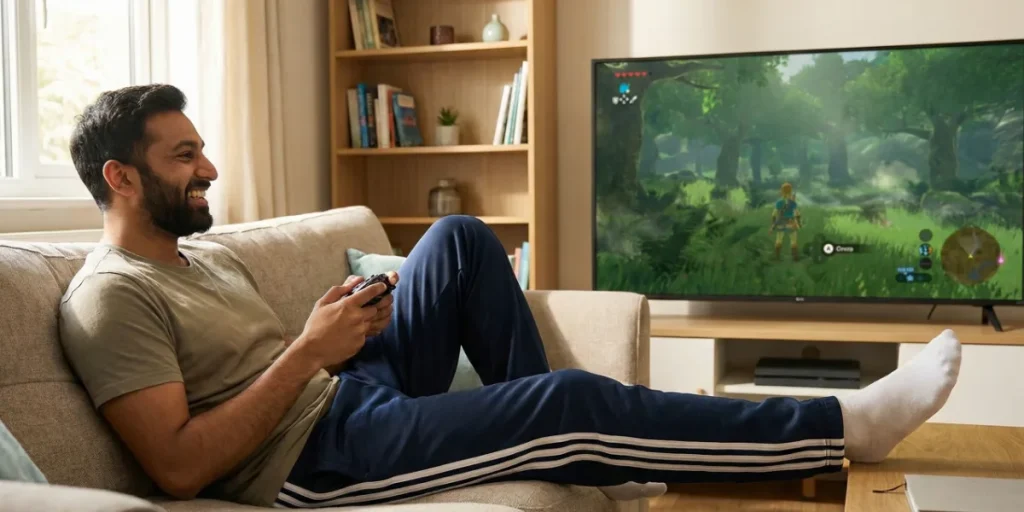
When approached mindfully, gaming can be a powerful tool for mental wellness.
Here’s how to get the most out of it:
- Choose Quality Experiences: Select games that stimulate creativity, challenge your mind, or promote teamwork.
- Balance Is Key: Short, focused gaming sessions (20–60 minutes) are more rewarding than long hours.
- Play Social and Active Games: Multiplayer or motion-based games combine fun, movement, and connection.
- Treat Gaming as Self-Care: Use it as a daily mental refresh, a way to relax, explore, and connect while keeping it enjoyable.
For those looking for a simple, fun, and engaging way to combine mental exercise with entertainment, Qureka Gamez offers a variety of trivia and quiz-based games that make mindful gaming easy and enjoyable, and you can win exciting prizes while playing.
Conclusion
Gaming is not just entertainment; it is storytelling, learning, and a way to relieve stress. India has an enormous potential to benefit from this ecosystem.
With the right approach, choosing games that challenge your mind, encourage creativity, or foster meaningful interactions, gaming can become a safe, accessible, and enjoyable form of self-care.
In a country like India, where smartphones and affordable gaming platforms are everywhere, this potential is magnified, opening doors for millions to improve their mental wellness while having fun.
By embracing this new-age form of therapy responsibly, we can transform play into a pathway for emotional resilience, learning, and holistic well-being.